.png)
Soft Wash vs Pressure Wash: What's the Difference and Which Does Your Home Need?
- Michele Aguiar
- Apr 28
- 3 min read

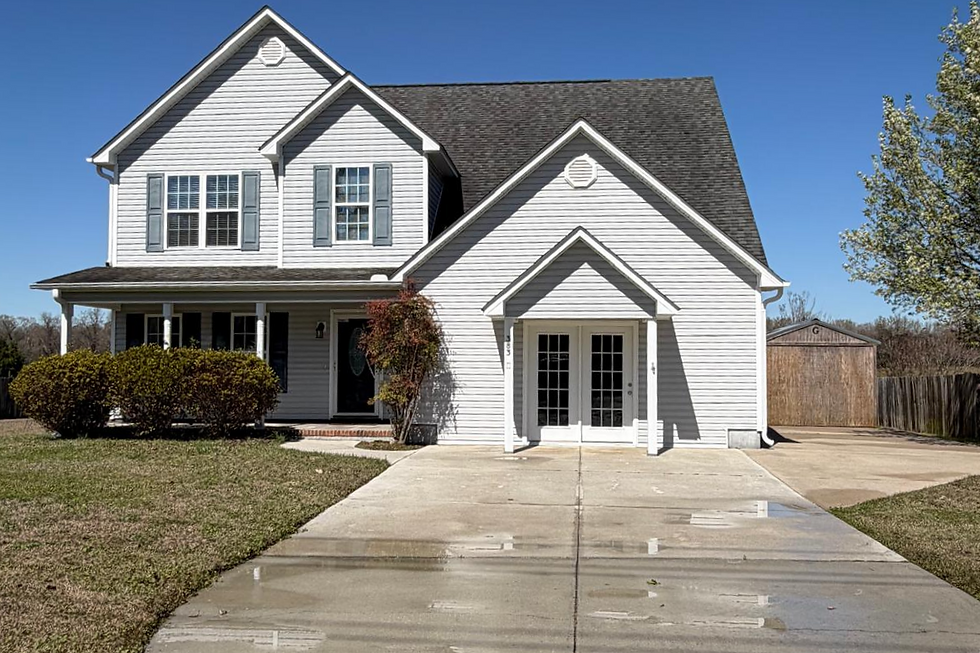
If you've been researching exterior cleaning for your home, you've probably come across both terms: pressure washing and soft washing. Many homeowners assume soft wash vs pressure wash are the same thing, just different words for blasting your house with water. They're not.
Understanding the difference between these two methods could save you from a costly mistake — like stripping paint from your siding, splitting wood on your deck, or cracking a roof tile by using the wrong technique for the wrong surface.
Here's everything you need to know, explained clearly.
What Is Pressure Washing?
Pressure washing uses high-powered water — typically between 1,500 and 3,000+ PSI (pounds per square inch) — to blast dirt, grime, and stains off hard surfaces. The force of the water is doing most of the cleaning work.
Pressure washing works exceptionally well on surfaces that are hard, durable, and non-porous:
Concrete driveways and sidewalks
Brick and stone patios
Concrete pool decks
Block walls and retaining walls
These surfaces can handle the force. The high pressure reaches down into pores and cracks to pull out years of built-up oil stains, tire marks, mildew, and organic debris.
What Is Soft Washing?
Soft washing uses low water pressure — typically under 500 PSI — combined with a biodegradable cleaning solution to break down and remove organic growth (mold, mildew, algae, bacteria, and salt film) from delicate surfaces.
Instead of relying on force, the cleaning solution does the work. It penetrates the biofilm, kills the organisms at the root, and then a gentle rinse removes everything cleanly.
Soft washing is the correct method for:
Vinyl siding, wood siding, fiber cement (like HardiePlank), and stucco
Roofs — asphalt shingles, tile, and metal
Painted surfaces and exterior trim
Wood decks and fences (prep stage before staining)
Screens, windows, and gutters
High pressure on these surfaces causes real damage: it can crack roof tiles, strip paint, force water behind siding (causing indoor moisture damage), raise wood grain, and leave streaks that are impossible to fix without repainting.
The Key Differences Between Soft Wash vs Pressure Wash
Pressure Washing: High PSI (1,500–3,000+) · Water-driven cleaning · Best for hard surfaces · Fast and powerful
Soft Washing: Low PSI (under 500) · Chemical-driven cleaning · Best for delicate surfaces · Longer-lasting results
Which Method Lasts Longer?
This surprises most people: soft washing actually produces longer-lasting results on siding and roofs.
Here's why. Pressure washing removes what you can see — the surface-level dirt and growth. But it often leaves behind root structures of algae and mold, which means regrowth can begin within weeks on untreated surfaces.
Soft washing kills the organism entirely — down to the root — using the cleaning solution. Without the living organism intact, regrowth takes significantly longer. A professionally soft-washed home in Wilmington typically stays clean for 12–18 months before noticeable regrowth occurs. A pressure-washed surface might start showing new growth in 3–6 months.
What About Wilmington's Coastal Homes Specifically?
In Wilmington, the vast majority of residential homes should be soft-washed, not pressure-washed. Here's why:
Most Wilmington homes have vinyl or HardiePlank siding — both soft-wash surfaces
The algae and mold growing on coastal homes need to be killed, not just blasted
Salt film requires chemical treatment to fully break down — water alone doesn't dissolve it
Many older Wilmington homes have painted wood siding or trim that cannot withstand high pressure
A professional who comes to your home and immediately reaches for a high-pressure wand on your siding doesn't understand coastal exterior cleaning. The right approach starts with a visual inspection of every surface and a technique decision before water is ever turned on.
When Are Both Methods Used Together?
On most complete exterior cleaning jobs, a professional will use both methods — each where appropriate:
Soft wash the house siding, trim, gutters, and fascia
Pressure wash the driveway, walkways, patio, and pool deck
Soft wash the roof if needed
Soft wash or low-pressure clean the deck surface before staining
This is exactly how Pro Washing Plus approaches every job — surface-by-surface assessment, right method for each area.
Questions to Ask Any Exterior Cleaning Company
Before you hire anyone, ask these questions:
Do you adjust pressure based on the surface?
Do you use soft washing for siding and roofs?
What cleaning solutions do you use — are they eco-safe?
Do you have insurance in case of accidental damage?
A professional who can answer all of these clearly and confidently is worth hiring. Anyone who says "we just pressure wash everything" is a liability.
Ready to get started? Call (910) 515-6824 or visit www.prowashingplus.com to request your free quote within 24 hours. Serving Wilmington, NC and surrounding areas.

Comments